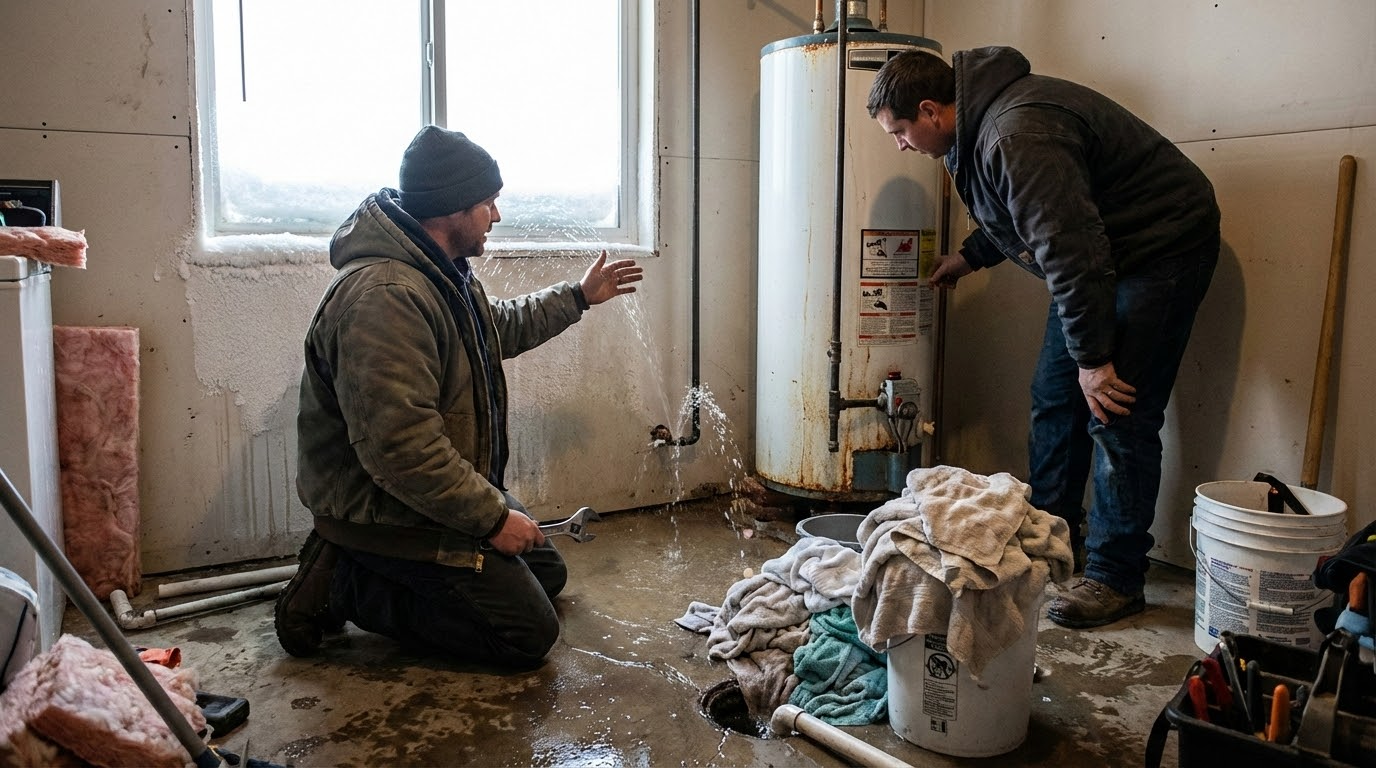

As someone who's responded to countless emergency calls throughout Longmont over the years, I've seen firsthand how quickly a minor plumbing issue can turn into a major problem. The difference between a simple repair and thousands of dollars in water damage often comes down to one thing: recognizing when you're dealing with a true plumbing emergency.
Not every drip or slow drain requires an urgent call, but certain situations demand immediate attention. Let me walk you through the plumbing emergencies you should never ignore, especially during our Colorado winters, and what you can do to protect your home.
What Makes a Plumbing Issue an Emergency?
A plumbing emergency is any situation that poses an immediate risk to your home, health, or safety. These are problems that can cause significant water damage, create unsanitary conditions, or leave you without essential services like heat or water.
The key is understanding that time matters. The longer you wait, the worse the damage becomes and the more expensive the repairs.
Burst or Leaking Pipes
A burst pipe is perhaps the most dramatic plumbing emergency you'll encounter. Whether it's from freezing temperatures, corrosion, or excessive water pressure, a burst pipe can release gallons of water into your home within minutes.
I've responded to calls in neighborhoods throughout Longmont—from historic homes in Old Town to newer developments in Spring Valley—where burst pipes caused extensive damage to walls, floors, and personal belongings.
What to do immediately:
- Shut off your main water supply. Every homeowner should know where this is located, typically near the water meter or where the main line enters your house.
- Turn off your water heater to prevent damage if hot water pipes are affected.
- Open faucets to drain remaining water from the pipes.
- Move furniture and valuables away from the affected area.
- Call an emergency plumber right away.
Even smaller leaks deserve quick attention. What starts as a small drip behind a wall can lead to mold growth, structural damage, and wasted water that drives up your utility bills.
Sewer Line Backups
Few plumbing emergencies are more unpleasant or unsanitary than a sewer backup. When wastewater starts backing up into your drains, toilets, or bathtubs, you're dealing with a serious health hazard that requires immediate professional attention.
Signs of a sewer backup include:
- Multiple drains backing up simultaneously
- Gurgling sounds from toilets or drains
- Sewage odors inside your home
- Water pooling around basement floor drains
What to do immediately:
- Stop using all water in your home—no flushing toilets, running faucets, or using appliances.
- Keep family members and pets away from the affected area.
- Avoid trying to clear the blockage yourself with chemical drain cleaners, which can make the situation worse.
- Contact an emergency plumber with proper equipment to diagnose and clear the blockage.
Homes in older Longmont neighborhoods like Prospect sometimes experience sewer line issues due to aging infrastructure or tree root intrusion. These aren't DIY situations—they require professional equipment and expertise.
Water Heater Failures
When your water heater fails, it's not just about cold showers. Certain water heater problems constitute true emergencies, particularly if you notice:
- Water pooling around the base of the unit
- Hissing, popping, or rumbling sounds
- Discolored water with a metallic smell
- Steam or excessive moisture around the unit
A failing water heater can leak substantial amounts of water, and in rare cases, a malfunctioning pressure relief valve can create dangerous conditions.
What to do immediately:
- Turn off the power supply (circuit breaker for electric units, gas valve for gas units).
- Shut off the cold water supply valve leading to the water heater.
- If water is actively leaking, shut off your main water supply.
- Call a professional to assess whether you need repair or replacement.
During winter months, water heaters work harder to heat incoming cold water, which can accelerate wear on older units. If your water heater is over 10 years old, pay attention to any unusual signs.
Frozen Pipes
Longmont winters can be harsh, and frozen pipes are a common concern throughout Clover Basin, Spring Valley, and other areas of town. When water freezes inside a pipe, it expands, creating pressure that can cause the pipe to burst.
Warning signs include:
- No water or reduced water flow from faucets
- Frost visible on exposed pipes
- Strange odors from drains (blocked pipes can trap sewer gases)
What to do immediately:
- Keep the affected faucet open—when the ice melts, water needs somewhere to go.
- Apply gentle heat to the frozen section using a hair dryer, heating pad, or warm towels. Never use open flames or high-heat devices.
- If you can't locate the freeze or if pipes have burst, call a plumber immediately.
- Check other faucets to see if additional pipes are frozen.
Prevention is your best defense. Before temperatures drop, insulate exposed pipes, seal drafts in crawl spaces and basements, and let faucets drip slightly during extreme cold.
Complete Loss of Water Pressure
If you suddenly lose water pressure throughout your entire home, you could be dealing with a main line break, a serious leak, or a problem with your water supply.
While low pressure in a single fixture might just be a clogged aerator, a whole-house pressure loss often indicates something more serious.
What to do immediately:
- Check with neighbors to see if they're experiencing the same issue—it might be a municipal problem.
- Look for signs of leaks in your basement, crawl space, or yard.
- Check your main water shutoff valve to ensure it's fully open.
- If you can't identify an obvious cause, call a plumber to investigate.
How Longmont's Winter Weather Increases Plumbing Risks
Our location along Colorado's Front Range means we experience significant temperature swings, especially during winter. A sunny 50-degree afternoon can drop to below freezing overnight, creating perfect conditions for plumbing problems.
Older homes in established neighborhoods often have plumbing in exterior walls or unheated spaces, making them particularly vulnerable. Even newer homes in areas like Spring Valley can experience frozen pipes if exterior faucets aren't properly winterized.
The freeze-thaw cycle also affects underground pipes. As the ground freezes and thaws repeatedly, it can shift and stress water and sewer lines, potentially causing cracks or breaks.
Taking preventive measures before winter arrives—insulating pipes, disconnecting hoses, servicing your water heater—can help you avoid many cold-weather plumbing emergencies.
When to Call for Emergency Plumbing Service
Trust your instincts. If a plumbing situation feels serious, it probably is. It's always better to call and have a professional assess the situation than to wait and risk extensive damage.
Call immediately if you're dealing with:
- Active flooding or major leaks
- Sewage backups
- Burst pipes
- No water supply to your home
- Gas odors near plumbing fixtures (this could indicate a gas leak—evacuate and call 911 first)
- Water heater emergencies with leaking or unusual sounds
At Mayer Plumbing, we maintain 24/7 emergency availability because we know plumbing disasters don't wait for business hours. We've helped homeowners throughout Longmont and Boulder County protect their homes from emergency plumbing situations.
Frequently Asked Questions
Should I attempt to fix a plumbing emergency myself?
For true emergencies like burst pipes or sewer backups, your first priority should be minimizing damage by shutting off water and calling a professional. While you can certainly handle simple tasks like shutting off valves or clearing minor clogs, emergency situations typically require specialized tools and expertise. Attempting complex repairs during an emergency can often make the situation worse and more expensive to fix.
How quickly can I expect a plumber to arrive for an emergency?
Response times vary by company and current demand, but most emergency plumbing services aim to reach you within an hour or two. When you call, be clear about the nature of the emergency—active flooding and sewer backups typically receive the fastest response. At Mayer Plumbing, we prioritize emergency calls and maintain on-call technicians for nights, weekends, and holidays.
Will my homeowner's insurance cover plumbing emergencies?
Coverage depends on your specific policy and the cause of the damage. Most homeowner's insurance covers sudden and accidental damage, like a burst pipe, but may not cover damage from neglected maintenance or gradual leaks. The key is acting quickly—insurance companies look more favorably on claims where homeowners took immediate action to minimize damage. Always document the damage with photos and keep records of emergency repairs.
How can I prevent plumbing emergencies?
Regular maintenance is your best defense. Have your plumbing system inspected annually, address small issues before they become big problems, know where your shutoff valves are located, insulate pipes in unheated areas, and winterize outdoor faucets before freezing weather arrives. Simple preventive measures like these can help you avoid most plumbing emergencies.
Protect Your Longmont Home
Plumbing emergencies are stressful, but knowing what to look for and how to respond can make all the difference. Keep emergency contact information handy, familiarize yourself with your home's plumbing system, and don't hesitate to call for professional help when you need it.
If you're experiencing a plumbing emergency in Longmont or the surrounding areas, Mayer Plumbing is here to help 24/7. Our experienced team responds quickly, explains your options clearly, and gets your plumbing system back to normal as efficiently as possible. Visit mayerplumbing.net or call (303) 532-7597 for immediate assistance.